Beekeeping Technician Jobs in Canada With Visa Sponsorship

8 Beekeeping Technician Jobs in Canada With Visa Sponsorship

The role of a beekeeping technician is pivotal in today’s agricultural landscape. These professionals ensure the health and productivity of bee populations, which are essential for pollination and, consequently, food production. With the increasing awareness of sustainable agriculture practices, beekeeping has gained significant attention, creating a growing demand for skilled technicians. For international candidates seeking to enter this field, visa sponsorship offers a pathway to work in Canada, where the agricultural sector is robust and expanding. This article will explore the nuances of beekeeping technician jobs in Canada, including job responsibilities, market trends, the visa sponsorship process, and tips for success.

Definition and Responsibilities

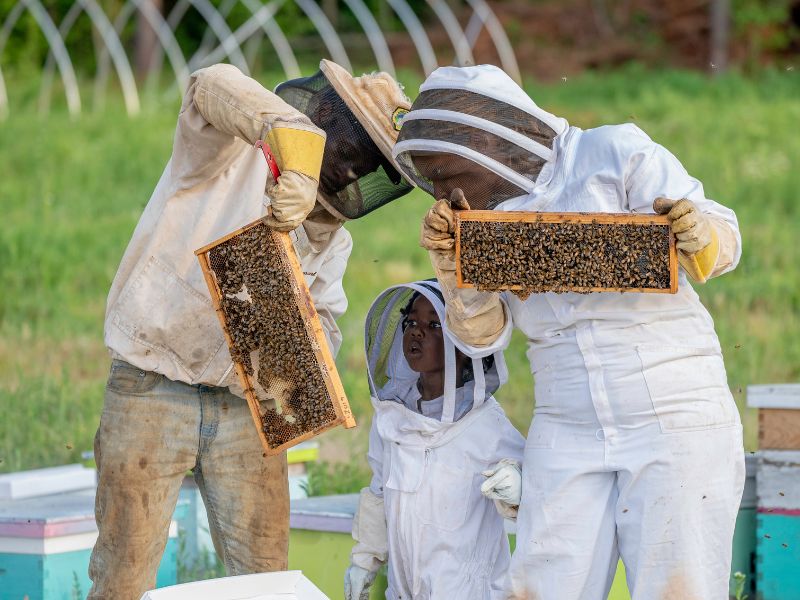
A beekeeping technician, also known as an apiarist or bee farmer, is responsible for managing beehives and ensuring the overall health of the bee colonies. The role encompasses a variety of tasks essential to the maintenance and productivity of bees, which include:

  • Monitoring Bee Health: Regular inspection of hives to assess the health of bee populations and detect any signs of disease or distress.
  • Managing Bee Colonies: This includes feeding bees, performing hive inspections, and implementing breeding practices to ensure a robust population.
  • Harvesting Honey and Bee Products: Technicians are involved in the collection of honey, beeswax, and other products, ensuring that the harvesting process is done safely and efficiently.
  • Implementing Pest Management Strategies: Beekeeping technicians must be knowledgeable about common pests and diseases affecting bees, employing effective strategies to manage these threats.
  • Conducting Research and Data Collection: Many technicians also engage in research activities, collecting data to improve beekeeping practices and enhance bee health.

To excel in this role, individuals must possess certain essential skills, including a solid understanding of bee biology, proficiency in beekeeping techniques, problem-solving abilities, physical stamina, and good communication skills. These competencies enable technicians to educate others about beekeeping practices and contribute to sustainable agricultural methods.

Job Market Overview

The job market for beekeeping technicians in Canada is currently thriving, driven by several factors. The increasing demand for honey and other bee products, alongside the growing recognition of the critical role bees play in pollination and food security, has spurred the need for skilled workers in this field.

Current Trends:

  • Sustainable Agriculture: As consumers become more conscious of environmental issues, there is a significant push towards sustainable farming practices. Beekeeping aligns perfectly with this trend, as it contributes to ecological balance and agricultural productivity.
  • Climate Change Impacts: The effects of climate change on bee populations have heightened awareness around the need for skilled technicians who can address these challenges and implement effective management practices.

Key Industries Hiring:
Beekeeping technicians find employment in various sectors, including:

  • Agriculture and Farming: Many technicians work on farms that incorporate beekeeping into their operations for crop pollination.
  • Research Institutions: Organizations focused on environmental science and agriculture often hire beekeeping technicians for research purposes.
  • Honey Production Companies: Businesses dedicated to honey and bee product production consistently seek skilled technicians.

Regional Hotspots for Job Opportunities:
Certain provinces in Canada are more prominent for beekeeping jobs. British Columbia, Alberta, and Ontario have established agricultural sectors that are expanding their beekeeping operations, creating a wealth of job opportunities.

Visa Sponsorship Explained

For international candidates looking to work as beekeeping technicians in Canada, understanding the visa sponsorship process is crucial.

Types of Visas Available:

  • Temporary Foreign Worker Program (TFWP): This program allows Canadian employers to hire foreign workers to fill temporary labor shortages. Beekeeping technicians often qualify under this category.
  • International Experience Canada (IEC): This program provides youth from certain countries the opportunity to work in Canada. It includes options for working holiday visas and employer-specific work permits.

Sponsorship Process:
The sponsorship process typically involves the following steps:

  1. Job Offer: An employer in Canada must first offer a position to the foreign worker.
  2. Labour Market Impact Assessment (LMIA): For the TFWP, the employer may need to obtain an LMIA, which demonstrates that there is a need for a foreign worker and that no Canadian worker is available for the job.
  3. Visa Application: Once the job offer and LMIA are secured, the foreign worker can apply for a work visa through Immigration, Refugees, and Citizenship Canada (IRCC).

Benefits of Working in Canada:

  • Competitive Salaries: Beekeeping technicians in Canada can earn a decent income, often ranging from $30,000 to $50,000 annually, depending on experience and location.
  • High Quality of Life: Canada offers a high standard of living, excellent healthcare, and educational opportunities for families.
  • Professional Growth: The agricultural sector in Canada is continually evolving, offering various opportunities for advancement and specialization.

Top Employers

Several key employers frequently hire beekeeping technicians and offer visa sponsorship. Here are a few notable companies:

  • Honeybee Research Centre: Located in Ontario, this research facility focuses on bee health and sustainability. They often seek technicians for research and educational roles. Honeybee Research Centre Careers
  • Canadian Honey Council: A national organization dedicated to promoting and supporting the beekeeping industry in Canada. They periodically list job openings for technicians and research positions.
  • Local Beekeeping Companies: Many regional beekeeping operations are looking for technicians to help manage their hives and produce honey products. Researching local farms and companies can uncover more opportunities.

Job Search Strategies

Finding a beekeeping technician job in Canada, especially with visa sponsorship, requires a strategic approach. Here are effective strategies for identifying relevant job openings:

Utilize Online Job Boards:
Platforms like Indeed, Glassdoor, and LinkedIn are excellent resources for job seekers. These websites often have listings for agricultural jobs, including those specifically for beekeeping technicians. Utilize search terms like “beekeeping technician jobs in Canada” and “jobs with visa sponsorship” to narrow down your options.

Networking:
Engaging with industry professionals through networking events, online forums, and social media platforms can lead to job opportunities. Join groups related to beekeeping and agriculture on platforms like Facebook and LinkedIn, where job postings and industry discussions frequently occur.

Industry-Specific Websites:
Check websites dedicated to agricultural employment. For example, the Canadian Agricultural Human Resource Council (CAHRC) provides resources and job listings for agricultural roles, including beekeeping.

Recommended Keywords for Searching:
When looking for positions, consider using keywords such as:

  • “Beekeeping technician jobs”
  • “Beekeeping jobs with visa sponsorship”
  • “Agricultural technician jobs in Canada”
  • “Apiarist jobs Canada”
  • “Bee farmer employment opportunities”

These keywords can help refine search results and yield more relevant job listings.

Application Process and Interview Tips

Once you’ve identified potential job opportunities, it’s crucial to prepare for the application process and subsequent interviews.

Outline the Application Process:

  • Resume and Cover Letter: Tailor your resume to highlight relevant experience in beekeeping and agricultural work. Your cover letter should express your passion for the field and your willingness to relocate for the job.
  • Application Submission: Follow the employer’s application instructions carefully, ensuring you provide all required documents, including references.

Common Interview Questions:
Prepare for the interview by practising answers to common questions such as:

  • “What experience do you have with hive management?”
  • “How do you handle pest issues in beekeeping?”
  • “Can you describe a challenging situation you faced in your previous role and how you resolved it?”

Tips for Standing Out as an International Candidate:

  • Highlight Unique Experiences: Emphasize any unique skills or experiences that differentiate you from local candidates, such as specialized training or international beekeeping techniques.
  • Cultural Adaptability: Be prepared to discuss how you can adapt to Canadian work culture, showing your willingness to integrate into a new environment.
  • Language Proficiency: If English or French is not your first language, demonstrating proficiency can be beneficial. If you’re fluent in multiple languages, highlight this as an asset.

Success Stories

Success stories of individuals who have secured beekeeping technician jobs with visa sponsorship can serve as inspiration for prospective applicants.

For instance, Maria, a young beekeeping technician from Mexico, secured a position with a leading honey production company in British Columbia. Through networking on social media and attending agricultural job fairs, she connected with a Canadian employer who valued her international experience. After successfully navigating the visa application process, she moved to Canada and has since contributed significantly to her employer’s operations while enjoying life in a new country.

Another success story is John, a technician from the Philippines, who leveraged online job boards to find opportunities in Alberta. After customizing his resume and cover letter to align with Canadian job standards, he successfully landed an interview. His passion for sustainable agriculture and hands-on experience impressed his employer, leading to a job offer that included visa sponsorship. John now shares his experiences through webinars aimed at helping other international candidates find similar opportunities.

Conclusion

The demand for beekeeping technicians in Canada presents a wealth of opportunities for both local and international job seekers. With a growing emphasis on sustainable agriculture, the role of beekeeping technicians is more critical than ever. For international candidates, understanding the visa sponsorship process and leveraging job search strategies can lead to successful employment in this rewarding field.

Canada not only offers competitive salaries and a high quality of life but also a chance to contribute to the important work of maintaining healthy bee populations and, by extension, food security. By following the outlined steps and utilizing available resources, aspiring beekeeping technicians can navigate their way toward fulfilling careers in Canada.

Call to Action

If you’re interested in pursuing a career as a beekeeping technician in Canada or have experiences to share, we encourage you to engage with us. Please leave a comment below or share this article with others who may benefit from this information. Additionally, consider subscribing to our blog for updates on job opportunities in agriculture and tips for international job seekers.

1. Beekeeping Technician at Peter Vichos Enterprises Ltd.

  • Location: Kemptville, ON
  • Job Description: Assist in hive management, honey extraction, and bee health monitoring. Ensure compliance with safety and environmental regulations.
  • Salary: $17.20 per hour
  • Requirements: Experience in beekeeping is preferred; ability to work in varying weather conditions

2. Apiary Technician at Honeybee Honey Farm Ltd.

  • Location: Multiple locations across Canada
  • Job Description: Responsible for managing bee colonies, performing inspections, and maintaining equipment.
  • Salary: $16.75 to $21.88 per hour
  • Requirements: Previous experience in beekeeping or agriculture; physical stamina is required.

3. Beekeeping Technician at Sand Hills Honey

  • Location: Manitoba
  • Job Description: Involves working with various bee species, hive management, and data recording for colony health.
  • Salary: Approximately $17.00 per hour
  • Requirements: Knowledge of beekeeping practices and experience with hive maintenance.

4. Apiary Technician at Valleau Apiaries Ltd.

  • Location: Ontario
  • Job Description: Manage and oversee the day-to-day operations of bee colonies, including health inspections and honey production.
  • Salary: $18.00 to $22.00 per hour
  • Requirements: Must have a valid driver’s license and be willing to travel to different apiary sites.

5. Beekeeping Technician at A.B.C. Honey Farms

  • Location: Alberta
  • Job Description: Participate in all aspects of honey production, from hive setup to harvesting.
  • Salary: $19.00 per hour
  • Requirements: Previous beekeeping experience is an asset; physical fitness is necessary.

6. Bee Farm Labourer at Bumble Bee Farms

  • Location: British Columbia
  • Job Description: Assist in the management of bee colonies and the production of honey.
  • Salary: $15.00 to $20.00 per hour
  • Requirements: No prior experience required; training will be provided.

7. Beekeeping Technician at Green Meadow Farms

  • Location: Saskatchewan
  • Job Description: Oversee bee health and production; participate in educational outreach about beekeeping.
  • Salary: $18.50 per hour
  • Requirements: Strong communication skills and experience working with bees are preferred.

8. Apiary Technician at Prairie Blossom Honey

  • Location: Manitoba
  • Job Description: Work closely with bee colonies, assist in honey extraction, and perform hive inspections.
  • Salary: $17.00 to $21.00 per hour
  • Requirements: Previous farming or beekeeping experience is beneficial; must be physically fit.
Leave a Reply

Your email address will not be published. Required fields are marked *

You May Also Like